

✍️#27: CONTROL VS GROWTH
What we can learn from Lewis Hamilton and F1 leadership's clash over content and media distribution.

WHO IS LEWIS HAMILTON
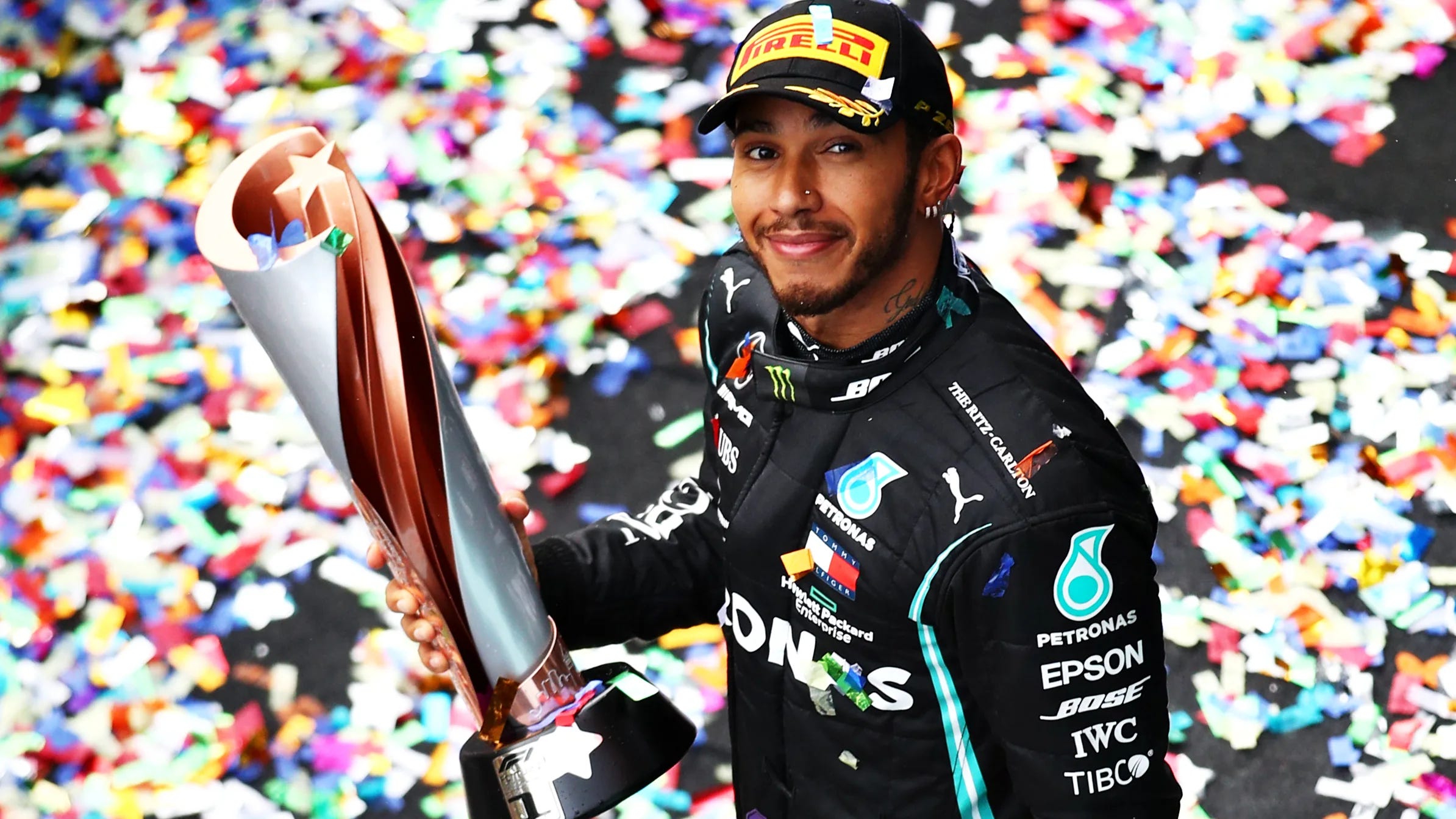
Lewis Hamilton arrived in Formula One in 2007 and became the youngest world champion in the sport’s history at the time. Hamilton captured seven World Championships, 104 race victories, and more pole positions than any driver in the history of the sport putting him in the conversation as one of the best of all time — all while being the only Black driver on the grid.
Outside of his performance on the grid, Hamilton is one of the most followed athletes in the world with more than 36 million followers on Instagram. He’s a fashion figure collaborating with Tommy Hilfiger, a music producer, a social activist, and a cultural bridge between the historically insular world of motorsport and the broader conversations happening in art, race, and identity.
THE PRE-HAMILTON ERA
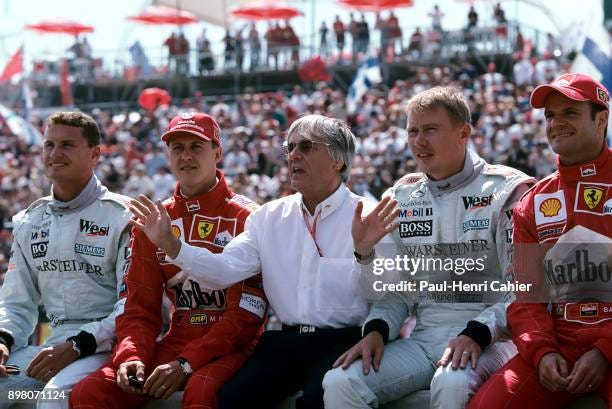
At its outset, Formula One’s approach to media and content was traditional to say the least and all decisions were predicated on one man: Bernie Ecclestone. Ecclestone led with an iron fist in consolidating television broadcasting rights into a pinch point and licensing rights back out to networks. While this worked in its heyday, by 2016, viewership continued to decrease and its audience was aging. Ecclestone famously dismissed social media entirely, once suggesting that F1 didn’t need to engage with a younger audience, an audience that, inconveniently, couldn’t yet afford a Rolex.
THE CONFLICT
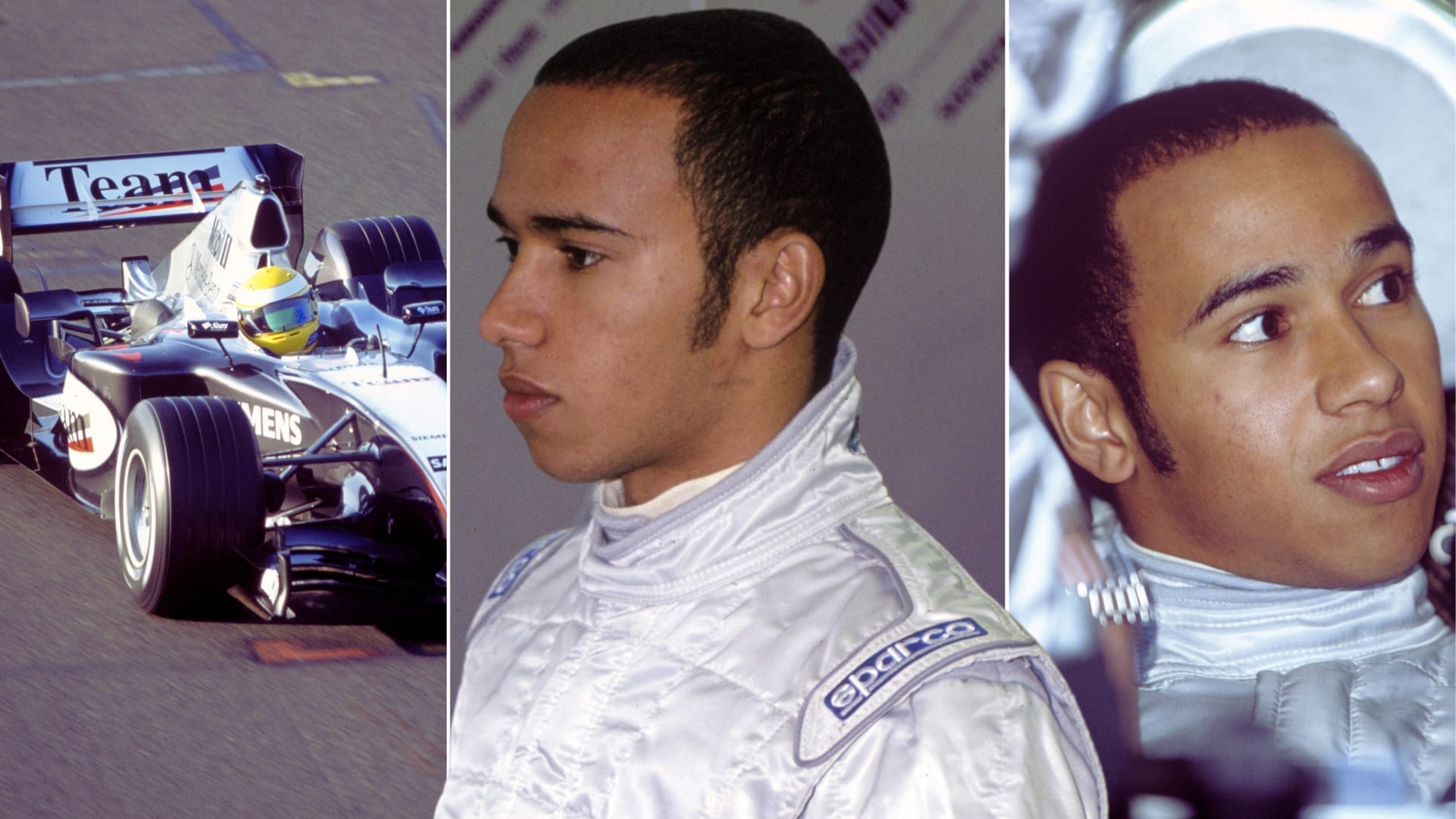
In 2015, Formula One Management first flagged Hamilton’s Snapchat activity at the Russian Grand Prix and began sending cease-and-desists to dissuade him from sharing these behind the scenes moments. This continued until the conflict boiled over in 2016, resulting in Formula One Management issuing a personal ban on Hamilton's Snapchat use inside the paddock. Hamilton acknowledged the ban, but then he broke on the very same day by posting footage of himself walking through the Bahrain paddock and into the Mercedes garage. Around the same time, Liberty Media’s purchase of F1 media rights led to direct meetings between Lewis Hamilton and Liberty’s commercial team. Famously, Hamilton showed up to the meeting with a stack of cease-and-desists sent from the Formula One Management team.
THE HAMILTON ERA
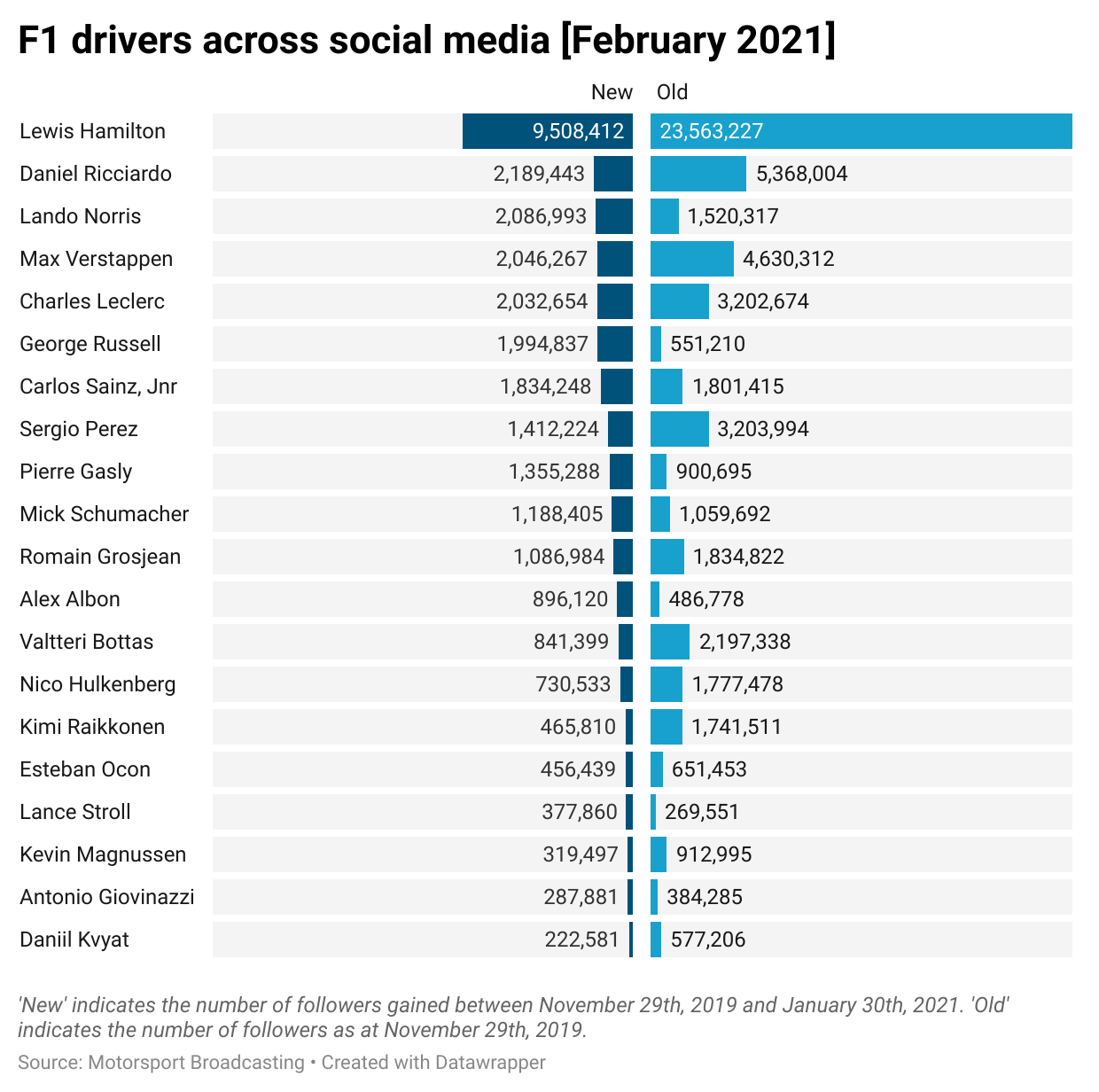
When Liberty Media took over in January 2017, the tone shifted quickly away from the old guard. Within weeks, teams received a letter from the new ownership confirming that the paddock filming ban had been lifted, and Hamilton, who had spent the better part of two years accumulating legal threats for posting onboard clips, was back to posting video content from pre-season testing in Barcelona with impunity. The results were immediate and measurable: Hamilton’s British Grand Prix paddock content hit one million likes on Instagram, F1’s collective social following grew to over 107 million across platforms, and between 2016 and 2022 online conversation around the sport increased by 80%. Liberty’s head of digital Frank Arthofer put it plainly: Hamilton was “arguably the biggest star in the history of the sport” with “huge crossover potential across urban culture, music, and lifestyle,” and the old regime had been sending him cease-and-desist letters for it. This change in policy was a watershed moment and F1 has not looked back since.
WHAT CAN WE LEARN

F1’s shift in 2017 to its “Hamilton Era” marks an acknowledgement of two converging factors: the traditional broadcast model isn’t as valuable as it used to be, and the stardom of its personalities are an asset.
Traditional broadcast decline:
We’ve heard a million times over that viewing habits have changed — whether that is a shift to short-form or a resurgence of long-form or what devices are being used by viewers. Regardless of which trend currently prevails, fans are not parked infront of the TV and tuned in to prime time programming as they used to be. We’ve also seen this acknowledgement with networks and platforms fighting for the rights for sports broadcasting as a means to meet the viewers where they are (i.e. Thanksgiving football on Netflix, F1 on AppleTV, etc.)
Personalities as an asset:
This feels like no surprise to anyone reading this, but F1 leaned into personalities as a content generator AND distributor. Lewis Hamilton displays a perspective and curation of his experience as an athlete, and, further, can distribute that content in a way that F1 cannot. The viewer benefits from increased access through the lens of an aspirational entity, the athlete benefits through increased engagement, and F1 benefits from increased depth of relationships to sport.
Expanding the argument:
In running, we possess personalities like Courtney Dauwalter and Jakob Ingebritsen. We possess arenas like the Diamond League, Cocodona 250, UTMB, and the Golden Trail World Series. Acknowledging that we have the necessary elements for story, and acknowledging that traditional broadcast is declining, it feels ripe for running to make similar moves. Seeing the success of Hamilton’s reach within F1, it seems plausible that granting greater access to create their own content AND/OR repackage and distributed content of themselves can be a launchpad for the sport to go even wider. This could take the form everything from short-form “aura edits” to more comprehensive long-form commentary.
THE CARVEOUTS

Scale:
F1 benefits both from their operational size. F1 manages a supremely dialed operation where they own EVERY aspect of the operation including the broadcasting rights, athletes, teams, rule sets, etc. that encompass the entirety of the sport. They solve for 22 athletes total. Therefore, it may be easier to control, vet, and solve for the risks of allowing athletes to have increased access and freedom. Compare that to the complexity of multiple leagues with multiple governing bodies, multiple broadcast contracts, and thousands of athletes — much harder to place bets confidently.
Scared money:
F1 and running play in massively different lanes when it comes to prestige and viewership, which garner wildly different sponsorship. F1’s sponsorship run the gamut of luxury brands itching to be a part of the weekend, whereas running is lucky to have a pharmaceutical company put dollars into a heat of a track meet. As the sponsorship dollars are objectively smaller and more tumultuous in the running world and archaic emphasis on broadcasting rights prevails, there seems like less appetite to take on risk. Granting athletes greater access may piss off or scare off potential sponsors and hurt the bottom line of a production at large (i.e. Shoe Brand X paid for the broadcast of an event and they may not want to grant access to athletes sponsored by Shoe Brand Y, etc.)
Like what you’re reading? Buy me an NA Beer below to keep me fueled up!